Unlock Authentic Pho Ga: Best Vietnamese Chicken Soup Recipe
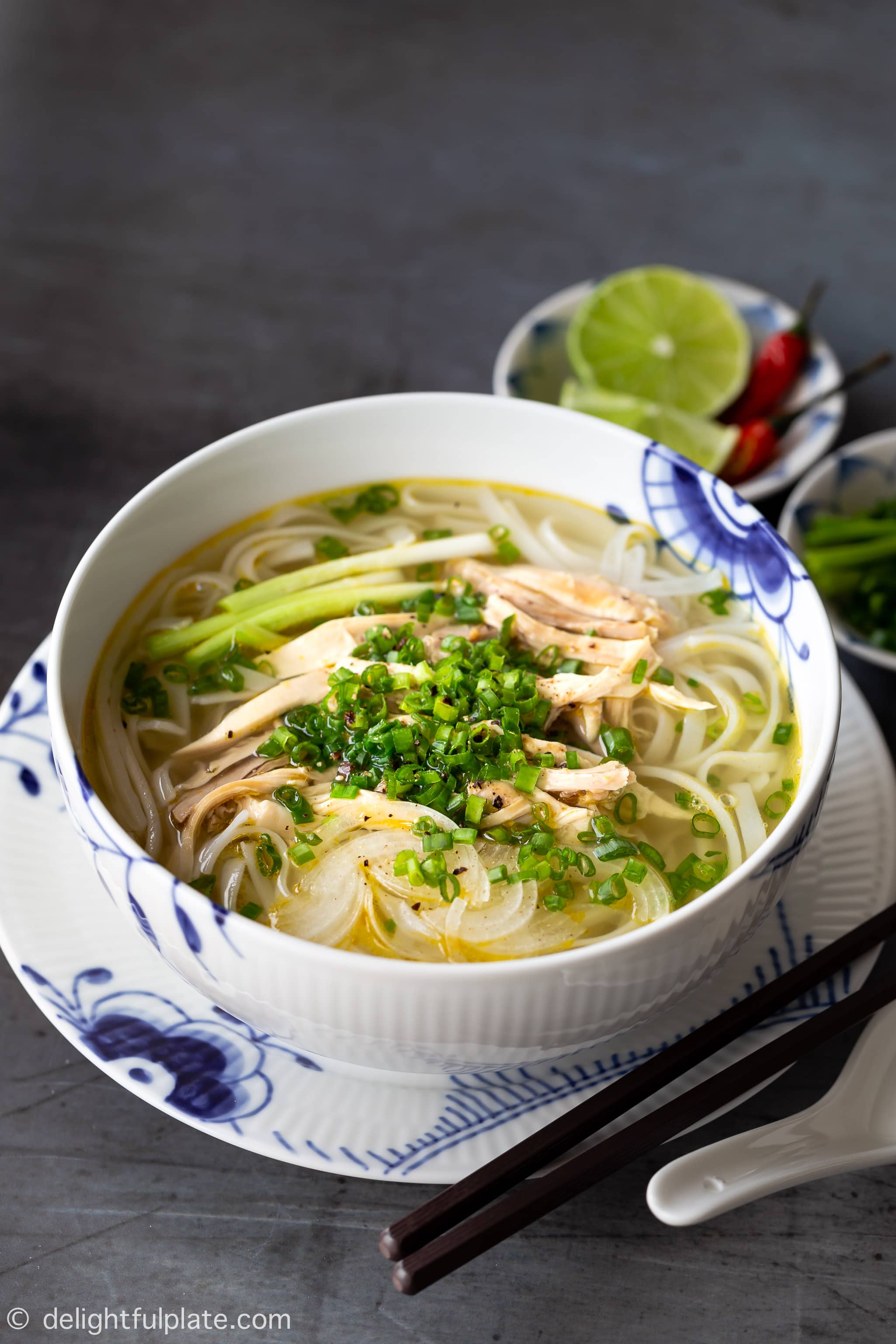
There are few dishes that encapsulate comfort and culinary artistry quite like Pho. While many are familiar with the rich beef rendition, Pho Bo, its equally delicious counterpart, Pho Ga, offers a lighter yet profoundly flavorful experience. Imagine a steaming bowl of delicate rice noodles, tender shredded chicken, and a crystal-clear, aromatic broth, all adorned with a vibrant medley of fresh herbs. This is the essence of an authentic pho ga Vietnamese chicken noodle soup, a dish that promises to soothe the soul and tantalize the taste buds. Mastering this Vietnamese classic at home is not just about following a recipe; it's about understanding the harmony of its components and the love that goes into each step.
In this comprehensive guide, we'll dive deep into the secrets of crafting a truly authentic Pho Ga, from selecting the finest ingredients to simmering the perfect broth and artfully assembling your bowl. Prepare to transform your kitchen into a Vietnamese eatery and impress your loved ones with a bowl of homemade goodness that rivals the best street food stalls in Hanoi or Saigon.
The Soul of Pho Ga: Crafting the Perfect Broth
The heart and soul of any Pho, especially an authentic pho ga Vietnamese chicken noodle soup, lies in its broth. A great Pho Ga broth is clear, fragrant, and bursting with nuanced flavors – savory, sweet, and subtly spiced. It's a delicate balance that requires patience and a careful hand. This is where the magic truly begins.
Essential Ingredients for Flavor Depth
To achieve that signature clear and fragrant broth, you'll need a precise combination of ingredients:
- Chicken: A whole chicken (about 3-4 lbs / 1.5-2 kg) is ideal, as it provides both bones for collagen and meat for tenderness. You can also use a mix of chicken bones and a couple of bone-in chicken breasts or thighs.
- Aromatics:
- 1 large yellow onion, halved
- 3-4 inches fresh ginger, sliced or halved lengthwise
- 2-3 star anise pods
- 1 small cinnamon stick
- 1 black cardamom pod (optional, but highly recommended for depth)
- 3-4 cloves
- 1 tablespoon coriander seeds
- Water: About 16-20 cups (4-5 liters) of cold filtered water.
- Seasoning:
- 2-3 tablespoons rock sugar (or granulated sugar)
- 3-4 tablespoons good quality fish sauce (adjust to taste)
- Salt to taste
The Art of Simmering: Steps to a Sublime Broth
- Prepare Aromatics: Char the onion halves and ginger slices directly over an open flame (gas burner) or under a broiler until lightly blackened and fragrant. This step is crucial for developing a smoky depth. Gently scrape off any heavily burnt bits.
- Toast Spices: In a dry pan, lightly toast the star anise, cinnamon stick, black cardamom, cloves, and coriander seeds for 1-2 minutes until fragrant. Place them in a spice bag or cheesecloth for easy removal.
- Blanch Chicken: Briefly blanch the whole chicken or chicken pieces in boiling water for 5-10 minutes. This removes impurities that can make your broth cloudy. Drain, rinse the chicken, and clean out the pot.
- Simmer: Return the blanched chicken to the clean pot. Add the charred onion and ginger, the spice bag, and cold water. Bring to a boil, then immediately reduce heat to a gentle simmer.
- Skim and Skim Again: This is critical for a clear broth. As impurities and fat rise to the surface, diligently skim them off with a ladle or fine-mesh skimmer. Continue skimming for the first hour of simmering.
- Seasoning: After about 1.5-2 hours of simmering (or when the chicken is cooked through and tender), carefully remove the chicken to cool. Add the rock sugar, fish sauce, and a pinch of salt to the broth. Taste and adjust seasoning as needed – it should be savory, slightly sweet, and well-balanced. Remember, the broth will be further diluted by noodles and garnishes, so it should be *just* on the stronger side.
- Final Simmer & Strain: Continue to simmer the broth for another 1-2 hours to allow flavors to meld and deepen, maintaining a gentle simmer. Once satisfied, remove the spice bag, onion, and ginger. Strain the broth through a fine-mesh sieve, ideally lined with cheesecloth, into a clean pot. This ensures a beautifully clear finish. For more tips on achieving the perfect flavor, you might want to check out our article: Elevate Your Pho Ga: Tips for Authentic Vietnamese Flavor.
Preparing Your Chicken and Noodles for Perfection
While the broth simmers, it's time to prepare the other key components that will complete your authentic pho ga Vietnamese chicken noodle soup: the tender chicken and the silky rice noodles.
Tender Chicken, Every Time
The chicken in Pho Ga should be succulent, moist, and easily shreddable. The method of cooking is crucial to prevent it from becoming dry and stringy.
- Cooking the Chicken: As mentioned, cooking the whole chicken directly in the broth contributes immense flavor. Once removed from the broth (around 1.5-2 hours of simmering), immediately plunge it into an ice bath. This shocks the chicken, stopping the cooking process and ensuring the meat remains juicy and tender.
- Shredding/Slicing: Once the chicken is cool enough to handle, remove the skin and bones. You can shred the breast meat and slice the thigh meat against the grain. Some prefer to serve a mix of both white and dark meat for varied textures.
- Keep it Warm: Before serving, you can gently warm the chicken meat by briefly dipping it into the hot broth.
Noodle Selection and Preparation
The noodles for Pho Ga are typically flat rice noodles, known as *bánh phở*. Their texture is key to the overall experience.
- Fresh vs. Dried: Fresh *bánh phở* noodles are always preferred for their superior texture and chewiness. If unavailable, good quality dried flat rice noodles (medium width) are a suitable substitute.
- Preparing Fresh Noodles: Fresh noodles usually just require a quick rinse and then a very brief blanch (10-20 seconds) in boiling water just before serving to heat them through.
- Preparing Dried Noodles: Follow package instructions, which usually involve soaking them in warm water until pliable (30-60 minutes), then blanching them in boiling water for 30-60 seconds just before serving. Do not overcook them at this stage, as they will continue to soften in the hot broth.
While Pho Ga stands distinct with its chicken base, the approach to noodles is similar to its beef cousin. If you're curious about the subtle differences and unique aspects of each, exploring the nuances between them can be quite insightful. For more context, you might be interested in our comparison: Pho Ga vs. Beef Pho: Discovering Authentic Chicken Noodle Soup.
Assembling Your Authentic Pho Ga: A Symphony of Flavors
The final act of preparing your authentic pho ga Vietnamese chicken noodle soup is the assembly. This is where all your hard work comes together, creating a beautiful and aromatic masterpiece. The key is speed and heat to ensure everything is served piping hot.
The Fresh Herb and Garnish Ensemble
No bowl of Pho Ga is complete without a generous plate of fresh herbs and accompaniments. These add layers of texture, aroma, and vibrant flavor that elevate the dish.
- Must-Have Herbs:
- Fresh cilantro (coriander), roughly chopped
- Green onions (scallions), thinly sliced (white and green parts separated)
- Thai basil leaves (húng quế)
- Sawtooth coriander (ngò gai), for its distinctive citrusy-spicy notes
- Essential Accompaniments:
- Fresh bean sprouts
- Lime or lemon wedges
- Sliced fresh chilies (Thai bird's eye or serrano)
- Optional Condiments (for individual preference):
- Hoisin sauce
- Sriracha sauce
- Chili garlic paste
Plating Instructions for the Perfect Bowl
The assembly process is quick and methodical:
- Prepare Bowls: Have your large serving bowls ready. You can even warm them slightly by pouring some hot water into them, then discarding it, to help keep the pho hot longer.
- Noodles First: Place a generous portion of blanched, drained rice noodles at the bottom of each bowl.
- Layer the Chicken: Arrange the prepared shredded or sliced chicken neatly over the noodles. You can also add a sprinkle of the white parts of the sliced green onions here.
- Pour the Broth: Ladle the steaming hot broth generously over the chicken and noodles. The heat of the broth will further warm and slightly cook the garnishes. Ensure the broth is truly hot; this is crucial for the overall experience.
- Garnish Liberally: Sprinkle with chopped cilantro and the green parts of the sliced green onions.
- Serve Immediately: Present the bowl with the accompanying plate of fresh herbs, bean sprouts, lime wedges, and sliced chilies. Guests can then customize their bowl to their liking, adding a squeeze of lime, a handful of herbs, and a dollop of chili sauce.
Troubleshooting and Expert Tips for Your Pho Ga Journey
Even experienced cooks can encounter hurdles. Here are some common issues and expert tips to ensure your homemade authentic pho ga Vietnamese chicken noodle soup is a resounding success every time.
Common Troubleshooting
- Cloudy Broth: This is usually due to not blanching the chicken, not skimming diligently, or simmering too vigorously. Always use cold water to start your broth, keep it at a gentle simmer, and skim frequently.
- Bland Broth: Don't be shy with the aromatics and seasoning. Ensure your ginger and onion are properly charred, and taste-test the broth regularly, adjusting fish sauce and sugar. The broth should taste slightly strong on its own, as it will mellow once mixed with noodles and garnishes.
- Dry Chicken: Overcooking the chicken is the culprit. Remove the chicken from the broth as soon as it's cooked through (usually around 1.5-2 hours). The ice bath method also helps lock in moisture.
Expert Tips for an Unforgettable Pho Ga
- The Power of Fish Sauce: Invest in a high-quality fish sauce. It makes a noticeable difference in the broth's depth and umami. Red Boat is a popular, excellent choice.
- Homemade Chili Oil: For those who love a spicy kick, make your own chili oil. Simply sauté dried chilies, garlic, and shallots in oil until fragrant, then let it infuse.
- Chicken Fat: Don't discard all the chicken fat. A small amount, clarified and drizzled over the cooked chicken and noodles before pouring the broth, can add a luxurious richness.
- Patience is a Virtue: The best broths are not rushed. Allow enough time for a slow, gentle simmer. This extract maximum flavor from your ingredients.
- Ingredient Quality: Fresh, vibrant herbs are non-negotiable. Seek out Asian markets for sawtooth coriander (ngò gai) and Thai basil – they offer unique flavor profiles essential to authentic Pho.
Embarking on the journey to create an authentic pho ga Vietnamese chicken noodle soup is a rewarding culinary adventure. From the delicate preparation of the aromatic broth to the careful assembly of fresh ingredients, each step contributes to a dish that is deeply comforting and profoundly flavorful. By following these guidelines and embracing the process with patience and care, you will be able to unlock the true essence of this beloved Vietnamese staple in your own kitchen. Gather your ingredients, prepare your heart, and get ready to savor one of the most celebrated chicken noodle soups in the world. Enjoy the warmth, the aroma, and the exquisite taste of your very own homemade Pho Ga!
