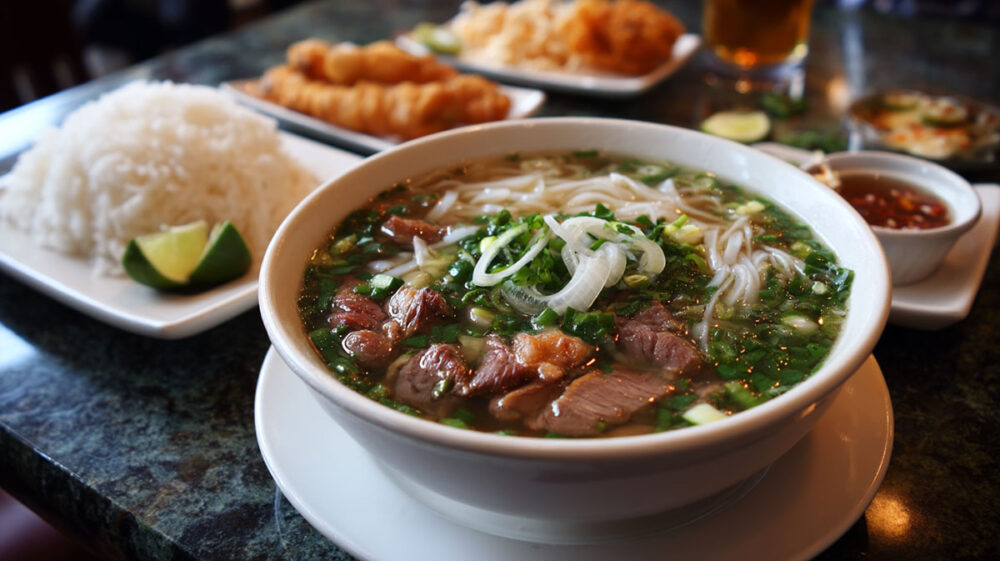
Pho Ga vs. Beef Pho: Unraveling the Delights of Vietnamese Noodle Soup
When the craving for a steaming bowl of Vietnamese noodle soup strikes, two titans often emerge: the ubiquitous Beef Pho (Phở Bò) and its equally enchanting counterpart, Pho Ga (Phở Gà). While Beef Pho might dominate the Western culinary landscape, Pho Ga offers a distinctly different, yet equally profound, experience rooted deep in Vietnamese tradition. This article will guide you through the nuanced world of these beloved dishes, with a special spotlight on discovering the true essence of
authentic pho ga vietnamese chicken noodle soup.
The Heart of Vietnamese Cuisine: Understanding Pho
Pho, pronounced "fuh," is more than just a soup; it's a cultural icon, a symbol of Vietnamese culinary artistry. Originating in Northern Vietnam in the early 20th century, it quickly spread throughout the country and eventually, the world, carried by Vietnamese immigrants. At its core, Pho is a harmonious blend of fragrant broth, flat rice noodles (
bánh phở), tender protein, and a vibrant array of fresh herbs and garnishes.
The magic of any Pho lies in its broth – a clear, deeply flavorful liquid that requires hours of slow simmering with bones, meat, and an aromatic spice blend typically including star anise, cinnamon, black cardamom, cloves, and ginger. While the fundamental structure remains, the choice of protein dictates the broth's character, leading to the distinct variations we adore today.
Pho Ga: The Soulful Symphony of Authentic Chicken Noodle Soup
For many Vietnamese, Pho Ga isn't merely an alternative to Beef Pho; it's a comforting staple, a taste of home, and often the preferred choice for its delicate yet complex flavors. Discovering
authentic pho ga vietnamese chicken noodle soup means appreciating its unique characteristics.
The Broth: A Clear, Golden Elixir
The foundation of exceptional Pho Ga is its broth. Unlike the rich, often cloudy beef broth, Pho Ga broth is celebrated for its pristine clarity and subtle golden hue. It's meticulously crafted by simmering whole chickens, often including bones, necks, and feet, for several hours. This slow process extracts a pure chicken essence without making the broth greasy. Key aromatics like ginger and onion are often charred or roasted before being added, imparting a smoky depth. The usual Pho spices—star anise, cinnamon, black cardamom, cloves—are used, but often in slightly lesser quantities or with a lighter hand to allow the natural sweetness and savory notes of the chicken to shine through. The result is a light, incredibly fragrant, and deeply comforting broth that’s both invigorating and soothing.
The Chicken: Tender and Flavorful
The choice and preparation of chicken are crucial for an
authentic pho ga vietnamese chicken noodle soup. Traditionally, a whole free-range chicken (
gà ta) is preferred for its superior flavor and texture. The chicken is typically poached gently in the broth itself until just cooked through. Once cooled slightly, it's often shredded or thinly sliced, ensuring each piece is tender and juicy, retaining the chicken's natural flavor. Some variations might include dark meat, white meat, or even chicken giblets for added texture and richness.
Noodles and Garnishes: The Perfect Complement
Like Beef Pho, Pho Ga is served with flat rice noodles (
bánh phở). These soft, chewy noodles absorb the fragrant broth beautifully. The garnishes are where Pho Ga truly comes alive with freshness:
*
Fresh Herbs: Cilantro, green onions, often spearmint and Vietnamese coriander (
rau răm).
*
Lime Wedges: A squeeze of fresh lime brightens the entire dish.
*
Chilies: Sliced bird's eye chilies or a dollop of chili garlic sauce for heat.
*
Bean Sprouts: For a refreshing crunch.
*
Fish Sauce & Pepper: A dash of good quality fish sauce (
nước mắm) and a sprinkle of freshly ground black pepper can enhance the savory profile.
The overall flavor profile of Pho Ga is typically lighter, sweeter, and more delicate than its beef counterpart. It offers a gentle warmth and a clean finish that makes it incredibly satisfying without being overly heavy.
For those eager to recreate this magic at home, mastering the broth is key. Check out our guide to
Unlock Authentic Pho Ga: Best Vietnamese Chicken Soup Recipe for detailed steps and insider tips.
Beef Pho (Phở Bò): A Deeper, Richer Experience
Beef Pho, or Phở Bò, is renowned for its robust, deeply savory character. The broth is a labor of love, simmering beef bones (often marrow and knuckle bones) for many hours, sometimes even days, along with roasted ginger, onion, and the signature Pho spices. The beef broth typically has a darker color and a richer mouthfeel due to the beef fat and collagen.
The cuts of beef used in Phở Bò are varied and contribute to its complexity:
*
Thinly Sliced Raw Beef (Tái): Cooked tableside by the hot broth.
*
Cooked Brisket (Nạm): Tender and flavorful.
*
Flank Steak (Gầu): A fattier cut, offering richness.
*
Beef Meatballs (Bò Viên): Chewy and savory.
*
Tripe (Sách): For those who appreciate its unique texture.
While the noodles and many garnishes are similar to Pho Ga, the bolder beef broth often pairs well with stronger accouterments like hoisin sauce and Sriracha, which are less commonly added to the delicate Pho Ga. The flavor profile is undeniably richer, more umami-driven, and often has a greater depth of spice.
The Nutritional & Experiential Differences: Choosing Your Pho
Beyond taste, Pho Ga and Beef Pho offer different experiences that cater to varying preferences, occasions, and even health considerations.
Nutritional Profile
Generally, Pho Ga is perceived as a lighter option. Chicken broth tends to be lower in fat compared to a beef bone broth, especially if skinless chicken is used. This makes it a popular choice for those seeking comfort food that's easier on the stomach, or when feeling under the weather. The protein content in both is substantial, but Pho Ga often has a slightly leaner protein profile.
The Experience and Mood
*
Pho Ga: Often chosen for its comforting, nurturing qualities. It's the perfect bowl for a chilly morning, a light lunch, or when you crave something wholesome and rejuvenating. Its clean flavors allow the delicate aromatics to truly shine, offering a subtle warmth.
*
Beef Pho: A more substantial, hearty meal. It's ideal for a robust dinner, a hungry stomach, or when you desire a deeply satisfying, rich, and intensely flavorful experience. The complexity of beef and spices truly creates a culinary adventure.
Ultimately, the "best" pho is a matter of personal preference. Many Vietnamese homes will have a favored chicken noodle soup recipe passed down through generations. To truly appreciate
authentic pho ga vietnamese chicken noodle soup, it's worth exploring the nuances of its preparation and ingredients. Experiment with different types of chicken and explore the balance of spices. For more detailed insights on perfecting your chicken Pho, read our tips on how to
Elevate Your Pho Ga: Tips for Authentic Vietnamese Flavor.
Whether you're a seasoned pho connoisseur or a curious newcomer, understanding the distinct characteristics of Pho Ga and Beef Pho enriches your appreciation for Vietnamese cuisine. Both are masterpieces in their own right, reflecting the diverse culinary landscape and history of Vietnam.
Conclusion
From the rich, complex depths of Beef Pho to the delicate, aromatic embrace of
authentic pho ga vietnamese chicken noodle soup, both dishes stand as towering examples of Vietnamese culinary excellence. While Phở Bò often garners more international attention, Pho Ga offers a sublime, comforting alternative that is equally revered for its clear, fragrant broth and tender chicken. Exploring Pho Ga opens up a new dimension of Vietnamese flavors, revealing a lighter, yet incredibly profound, noodle soup experience. We encourage you to savor both, appreciating the unique artistry each bowl brings to the table, and discover which soulful symphony truly captures your heart.