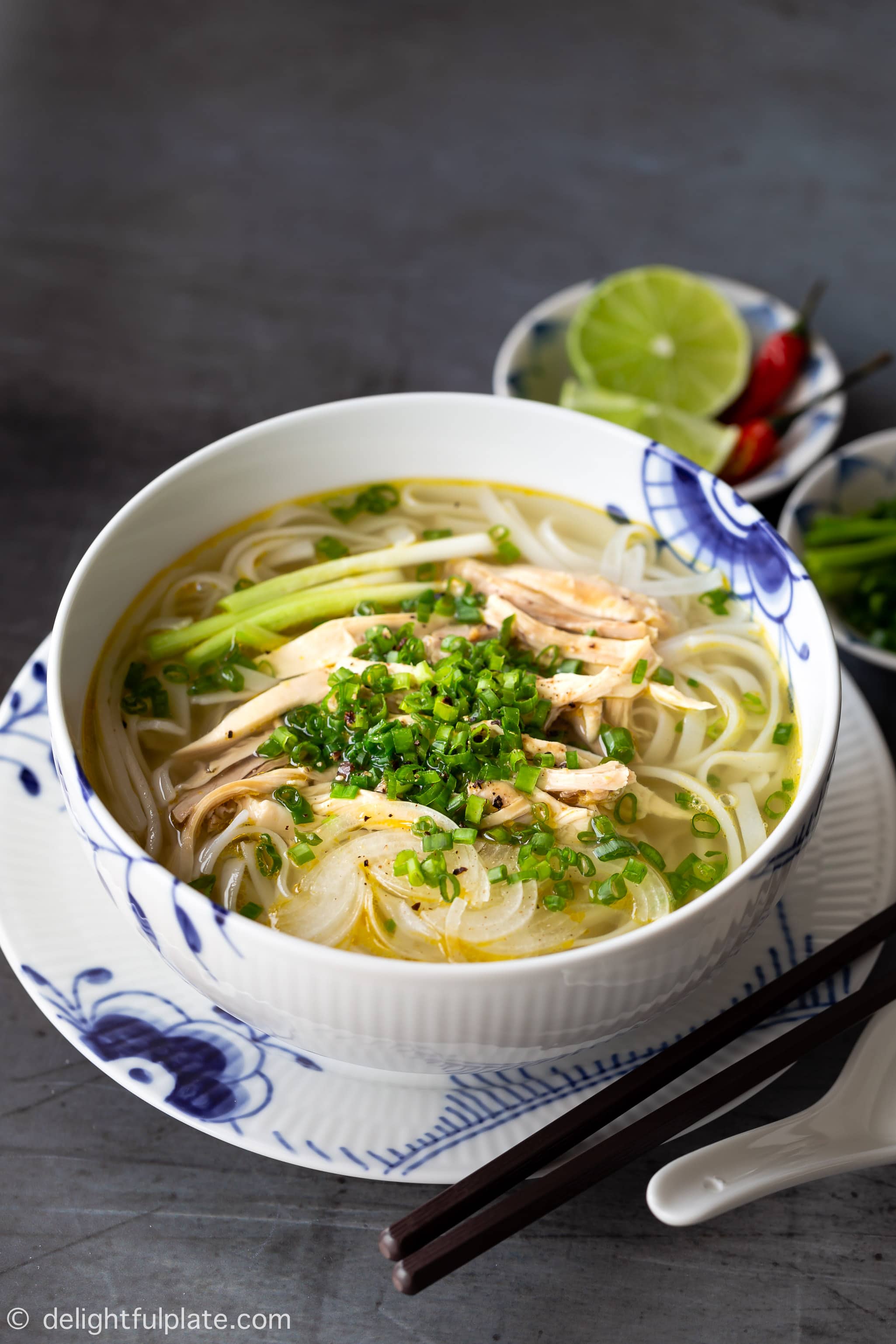
There's a special kind of comfort that only a steaming bowl of Pho can provide, and while beef pho often steals the spotlight, its chicken counterpart, Pho Ga, holds a cherished place in Vietnamese culinary tradition. More than just a simple chicken noodle soup, authentic pho ga vietnamese chicken noodle soup is a symphony of delicate flavors, aromatic spices, and tender chicken, all harmoniously brought together in a soul-warming broth. Achieving this authenticity at home might seem daunting, but with the right techniques and a deep understanding of its core components, you can elevate your homemade Pho Ga from good to truly extraordinary. Let's delve into the secrets that transform a mere meal into an unforgettable culinary experience, ensuring every spoonful brings you closer to the vibrant streets of Vietnam.
The Foundation: Crafting the Perfect Broth
The soul of any Pho lies unequivocally in its broth, and Pho Ga is no exception. A truly authentic Pho Ga broth is clear, deeply flavorful, and subtly sweet, with a distinct aromatic quality. This isn't just chicken stock; it's a carefully orchestrated infusion of ingredients simmered over hours.
Selecting Your Bones and Chicken
- Quality Chicken Parts: Start with a combination of chicken bones (backs, necks, wings) and a whole chicken, ideally a free-range or organic bird. The bones provide collagen and depth, while the whole chicken will yield tender meat for serving. Some chefs even include chicken feet for extra collagen and body in the broth.
- Preparation: Thoroughly rinse all chicken parts under cold water. For a clearer broth, many traditional recipes call for a blanching step: bring the chicken to a rolling boil for 5-10 minutes, then discard the water, rinse the chicken again, and clean the pot. This removes impurities that can cloud the broth.
Aromatic Essentials: Charring and Toasting
These steps are non-negotiable for that signature Pho aroma.
- Charred Aromatics: Halved yellow onions and a large piece of ginger are essential. Char them directly over an open flame (gas burner) or under a broiler until slightly blackened and fragrant. This process brings out their sweetness and smoky depth.
- Toasted Spices: The spice blend is crucial for authentic pho ga vietnamese chicken noodle soup. Common spices include star anise, cinnamon stick, black cardamom, cloves, and fennel seeds. Toast these in a dry pan until fragrant before adding them to the broth. This awakens their essential oils, intensifying their flavor profile. Some recipes also include a touch of coriander seeds.
The Art of Simmering and Seasoning
Patience is paramount when brewing your Pho Ga broth.
- Slow Simmer: Combine your blanched chicken, charred aromatics, toasted spices (often placed in a muslin spice bag for easy removal), and ample cold water in a large pot. Bring it to a gentle simmer, never a rolling boil. Skim any foam or impurities that rise to the surface regularly to ensure a crystal-clear broth. Simmer for at least 2-3 hours for optimal flavor extraction.
- The Perfect Seasoning: Towards the end of the simmering process, season generously with good quality fish sauce (nuoc mam) and a touch of rock sugar. These two ingredients are critical for balancing the savory, umami, and subtle sweetness that defines Vietnamese cuisine. Add salt to taste. Resist the urge to add MSG if you've allowed enough time for the flavors to develop naturally; a well-made broth doesn't need it.
For a detailed guide on perfecting this crucial step, you might want to read our article on Unlock Authentic Pho Ga: Best Vietnamese Chicken Soup Recipe.
The Heart of the Meal: Perfectly Cooked Chicken
While the broth sets the stage, the chicken is the star of your Pho Ga. It should be tender, juicy, and infused with the subtle flavors of the broth.
Poaching the Chicken to Perfection
- Whole Chicken Method: If using a whole chicken for both broth and meat, remove it once it's fully cooked (usually around 45-60 minutes into the simmer, depending on size). The chicken should be just cooked through, not overcooked, to remain tender. Immediately plunge the hot chicken into an ice bath for 15-20 minutes. This stops the cooking process, keeps the skin plump, and makes the meat easier to handle.
- Parts Method: If you're using separate chicken parts for serving (like boneless, skinless thighs or breasts), you can poach them directly in a small portion of the finished broth for about 15-20 minutes, or until just cooked.
Preparing the Chicken for Serving
- Shredding vs. Slicing: Once cooled, remove the skin (if desired, though some prefer to keep it for flavor) and debone the chicken. For serving, tear the meat into rustic shreds or slice it thinly against the grain. Often, the breast meat is shredded, while thigh meat might be sliced for a varied texture.
- Keep it Moist: To prevent the chicken from drying out, you can toss the shredded or sliced chicken with a tablespoon or two of the hot broth just before serving.
The Supporting Cast: Noodles, Herbs, and Accompaniments
An authentic bowl of Pho Ga is a multi-sensory experience, with carefully chosen noodles, a vibrant array of fresh herbs, and various customizable condiments. This is where individual preferences truly shine.
The Essential Noodles: Bánh Phở
- Type: For Pho Ga, you'll need flat rice noodles, known as bánh phở. These come in various widths; medium-wide is typically preferred.
- Preparation: If using dried noodles, follow package instructions for rehydration and cooking. They are usually soaked in hot water until pliable, then briefly boiled until just tender but still slightly chewy (al dente). Rinse them quickly under cold water to prevent sticking, then warm them in hot water or a colander over steam just before serving to ensure they are hot when the broth is poured over.
- Fresh Noodles: If you can find fresh bánh phở, they offer a superior texture and require only a quick dip in boiling water to warm through.
The Verdant Medley: Fresh Herbs
The fresh herbs are not mere garnishes; they are integral to the flavor profile, adding brightness, aroma, and complexity. Typically served on a separate plate for diners to add as they please.
- Must-Haves:
- Cilantro (Ngò Rí): Fresh, clean flavor.
- Green Onions (Hành Lá): Sliced thinly, both white and green parts.
- Bean Sprouts (Giá Đỗ): Adds a crucial crunch.
- Lime Wedges (Chanh): A squeeze of fresh lime brightens the broth immensely.
- Highly Recommended:
- Thai Basil (Húng Quế): Distinct anise-like aroma.
- Sawtooth Herb (Ngò Gai): Also known as culantro, this herb has a stronger, more pungent cilantro-like flavor and is quintessential to Pho.
- Mint (Húng Cây): Adds a refreshing zest.
Customizing Your Bowl: Condiments and Chili
Every diner personalizes their Pho to taste. Provide a selection of condiments for the ultimate customizable experience.
- Chili: Sliced fresh bird's eye chilies (ớt hiểm) for heat, or chili garlic sauce (like Sriracha) for a milder kick. Some also enjoy a dab of fermented chili paste.
- Hoisin Sauce: While more commonly associated with beef pho, some enjoy a touch of hoisin sauce, either stirred directly into their bowl (though purists might frown upon this) or used as a dipping sauce for the chicken.
- Fried Shallots and Garlic Oil: A sprinkle of crispy fried shallots and a drizzle of homemade garlic oil (garlic steeped in hot oil) adds incredible depth and aroma to the finished bowl.
It's interesting to note the subtle differences and preferences between Pho Ga and its beef counterpart. For a deeper dive into these distinctions, explore our article: Pho Ga vs. Beef Pho: Discovering Authentic Chicken Noodle Soup.
Assembling Your Authentic Pho Ga
The final step is the assembly, where all your hard work comes together in a beautiful, aromatic bowl.
- Noodles First: Place a generous portion of warmed, cooked rice noodles at the bottom of your serving bowl.
- Chicken on Top: Arrange your shredded or sliced chicken neatly over the noodles.
- Garnishes: Add a sprinkle of chopped green onions and cilantro directly into the bowl.
- Broth is Key: Ladle the piping hot, clear broth over the chicken and noodles, ensuring everything is submerged and heated through. The heat of the broth should slightly cook the fresh herbs and sprouts, softening them just enough.
- Serve with Sides: Present the bowl alongside the platter of fresh herbs, bean sprouts, lime wedges, and chili slices. Add fried shallots and a drizzle of garlic oil for an extra layer of flavor and texture.
Encourage diners to taste the broth first, then add the accompaniments to their liking, adjusting the balance of flavors with lime, chili, and herbs. This interactive element is a core part of the Vietnamese Pho experience.
Conclusion
Crafting an authentic pho ga vietnamese chicken noodle soup is a journey of patience, precision, and an appreciation for nuanced flavors. From the hours spent developing a clear, aromatic broth infused with charred aromatics and toasted spices, to the careful poaching of tender chicken and the vibrant medley of fresh herbs and condiments, every step contributes to an unforgettable culinary experience. By focusing on these key elements, understanding the role of each ingredient, and embracing the traditional techniques, you can confidently elevate your homemade Pho Ga to a level of true authenticity. So gather your ingredients, set aside some time, and prepare to immerse yourself in the comforting, aromatic embrace of a truly exquisite bowl of Pho Ga.
